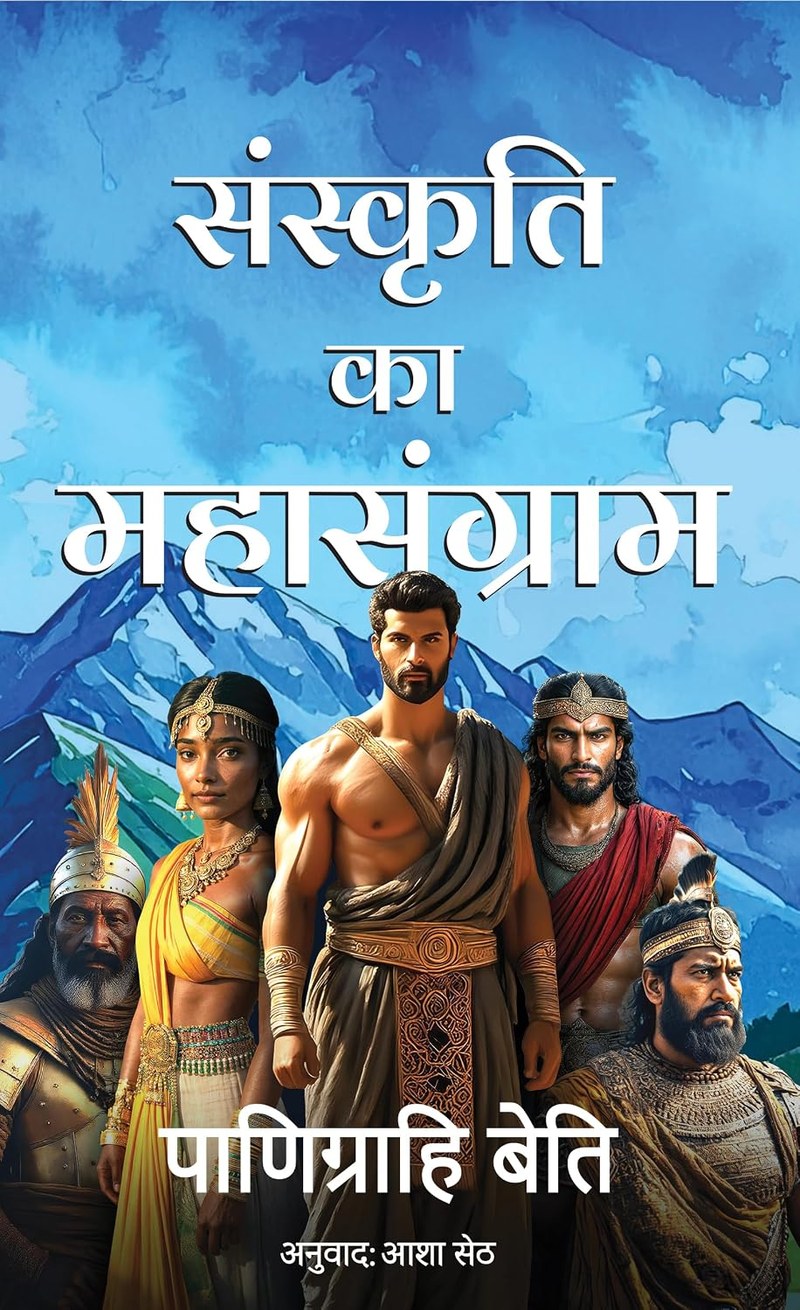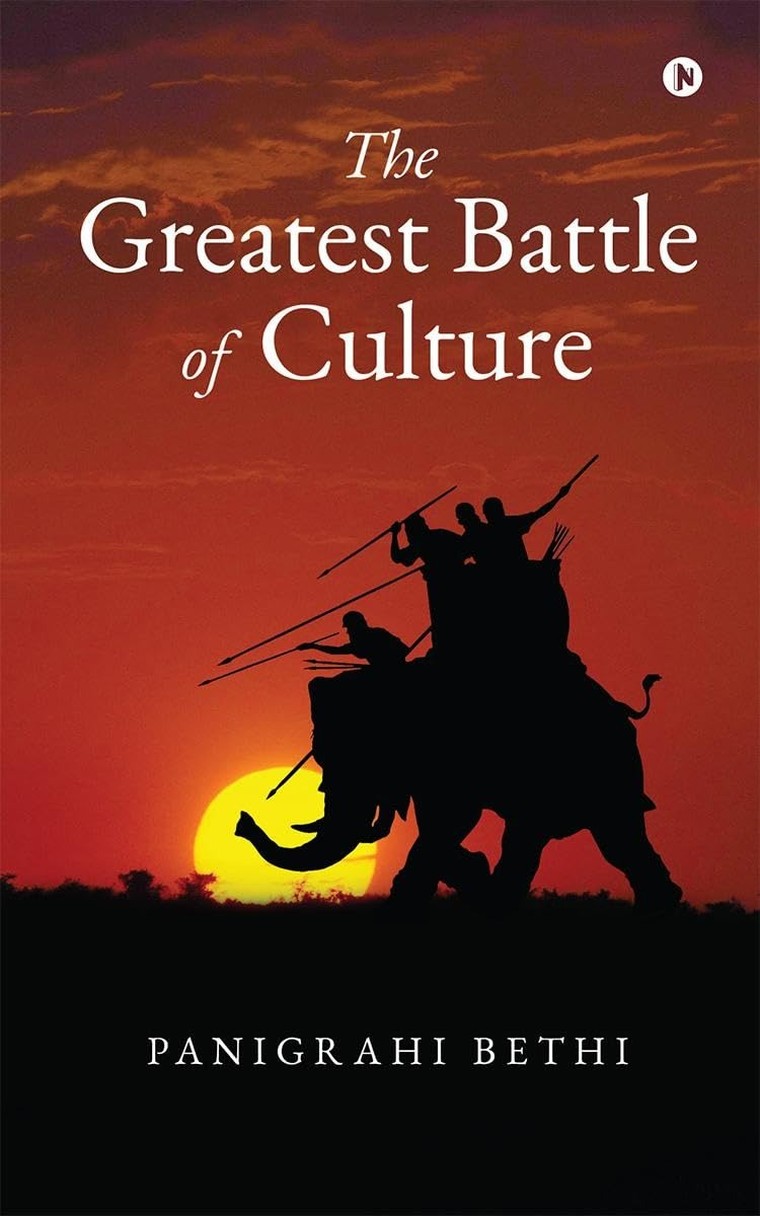
The Greatest Battle of Culture
In the sizzling heart of ancient India, along the banks of the Sindhu, two civilizations stand at the edge of a meeting that will remake them both. The Harappans have built a golden age — ordered cities, advanced irrigation and architecture, quiet wisdom, and a rare freedom afforded to their women. Into this world arrive the Aryans: nomadic, tenacious, and proud, bearing the Vedas, the Sanskrit tongue, and a fierce warrior ethos.
What begins as an exchange of knowledge soon deepens into something far more human and far more dangerous. Purusha, an Aryan newcomer, falls in love with Armita, the daughter of the Harappan chieftain Baguhara — but ambition, politics, and a covert war of assassinations and shifting alliances pull their worlds apart. Across generations, the saga traces love and loss, faith and betrayal, the rise of new powers and the fading of old ones, until a child born of both bloodlines comes to embody the possibility of reconciliation.
Inspired by genome research on the Indus Valley people, this fast, immersive novella reimagines a lesser-explored chapter of history with no easy heroes or villains — only people, and the cultures that shape and are shaped by them.
What makes it stand out
Where most historical fiction leans on dates, dynasties, and clear-cut conflict, The Greatest Battle of Culture foregrounds human experience over rigid binaries. Bethi refuses the simple story of conqueror and conquered, presenting cultural contact as a layered process of exchange, resistance, and transformation. The Harappan world is rendered not as a ruin but as a living, breathing society — and because the novel is rooted in real genome science yet written with cinematic economy, it reads as both credible and gripping. At just 160 pages, it offers an accessible entry point for newcomers to Indian historical fiction while quietly asking a question that feels strikingly modern: what really endures when civilizations meet?
What readers say — verified Amazon reviews
Not a conventional history book — it's historical fiction that imaginatively reconstructs an ancient world around real cultural themes. The greatest battles are not always fought with weapons; some are fought silently in beliefs, ideas, traditions, and the stories one generation passes to the next.
Mansi Gupta · Verified PurchaseA sweeping historical novel that dives deep into the interactions between the Aryans and Harappans. Characters like Purusha and Armita are crafted with such emotional depth that you feel their struggles and growth, and Sanskrit terms are woven in so smoothly they heighten the authenticity.
Dr. Rajeshwar Mukherjee · Verified PurchaseBethi takes us back to the times of the Harappans, who preserved and respected their culture. With a rich, compelling plot and descriptive narrative, he weaves a tale that keeps readers curious about how the two cultures merge.
Vidhya Thakkar · Verified PurchaseIf you want to learn about the history of the Aryans and the Indus Valley Civilization, read this book. A heart-warming saga of love of one's culture, conflicts over supremacy, and cultural upheaval leading to exodus — set against one of history's most critical encounters.
Asha Seth · Verified Purchase← Swipe to read more verified Amazon reviews →