The Gallery
Original illustrations created for Sanskriti Ka Mahasangram bring the saga's people and places to life. Meet the characters whose ambitions and loves drive the story, then step into the settings — golden cities, mountain passes, and dust-wreathed battlefields — where two civilizations meet their fate.
The Characters
The saga lives through its people — Aryan newcomers and Harappan nobles, warriors and princesses, elders and heirs, each carrying the hopes and burdens of a world in transition. Some arrive as strangers and become family; others guard a golden age they can feel slipping away. Together they turn a clash of civilizations into a deeply human story of love, loyalty, ambition, and change. Meet the figures who stand at the heart of The Greatest Battle of Culture.
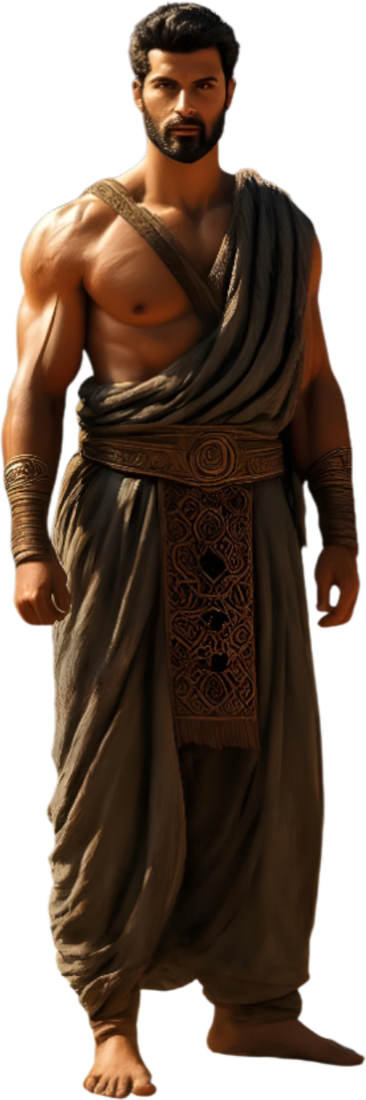
A newcomer from the Aryan world whose encounter with Harappan life — and with the princess Armita — sets the saga's heart in motion.
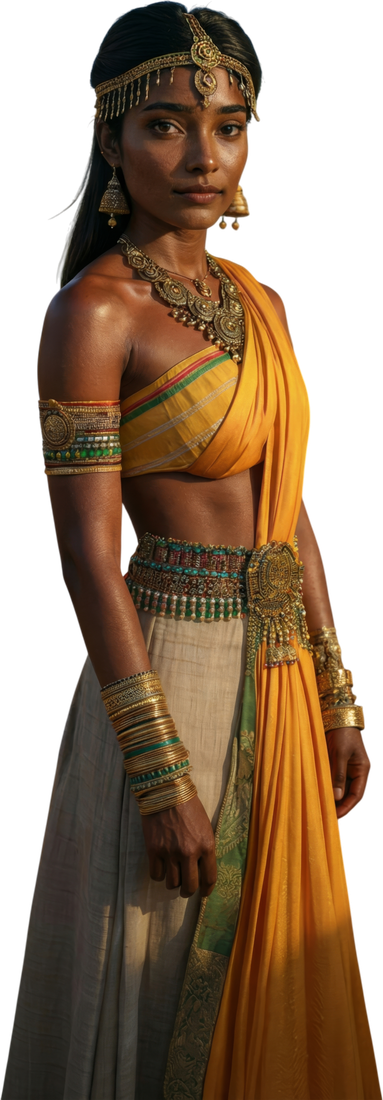
Daughter of the chieftain Baguhara, caught between love and duty as two worlds collide, and mother to a child who carries both bloodlines.
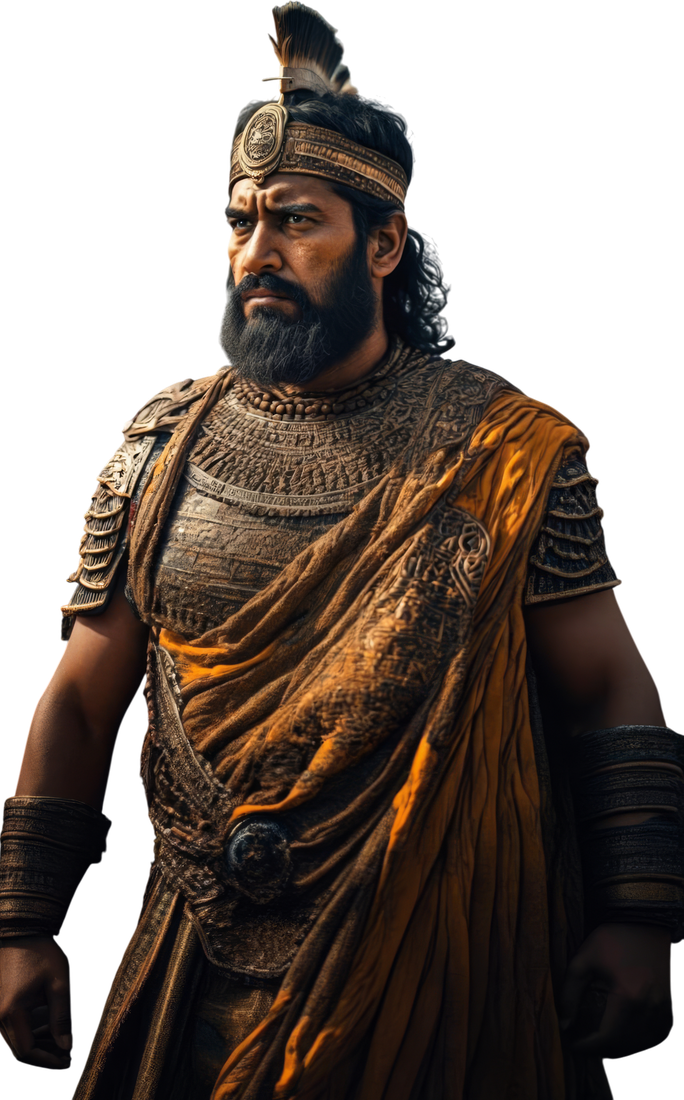
The proud Harappan chieftain and Armita's father, guardian of a golden civilization now tested by the arrival of a restless new people.
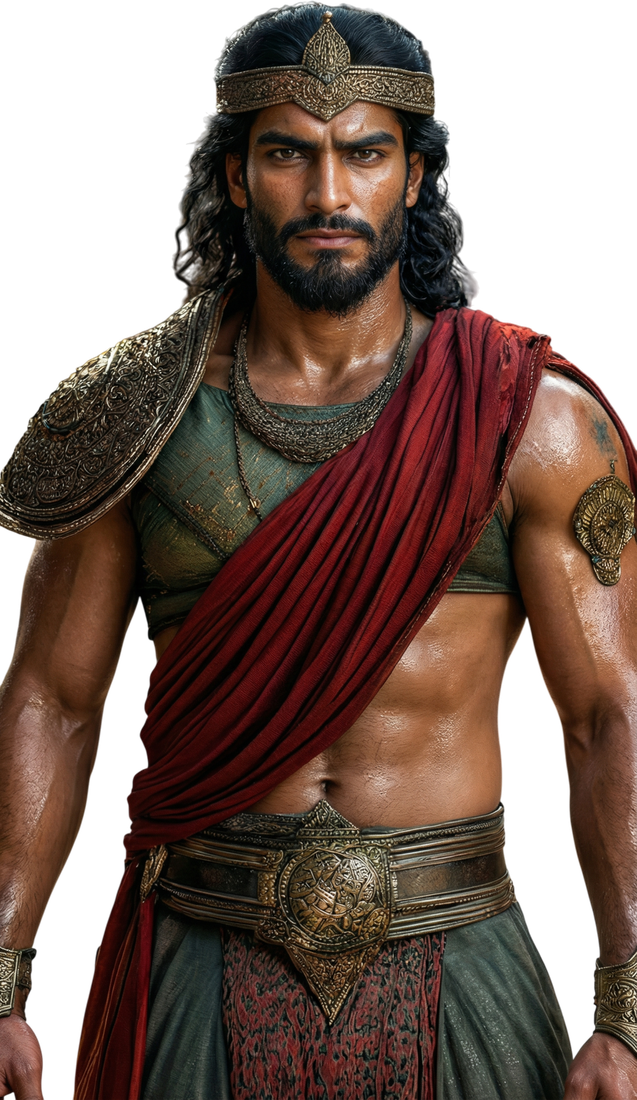
A warrior-noble of the age, bound to the shifting alliances and rivalries that turn cultural contact into a covert, generations-long struggle.
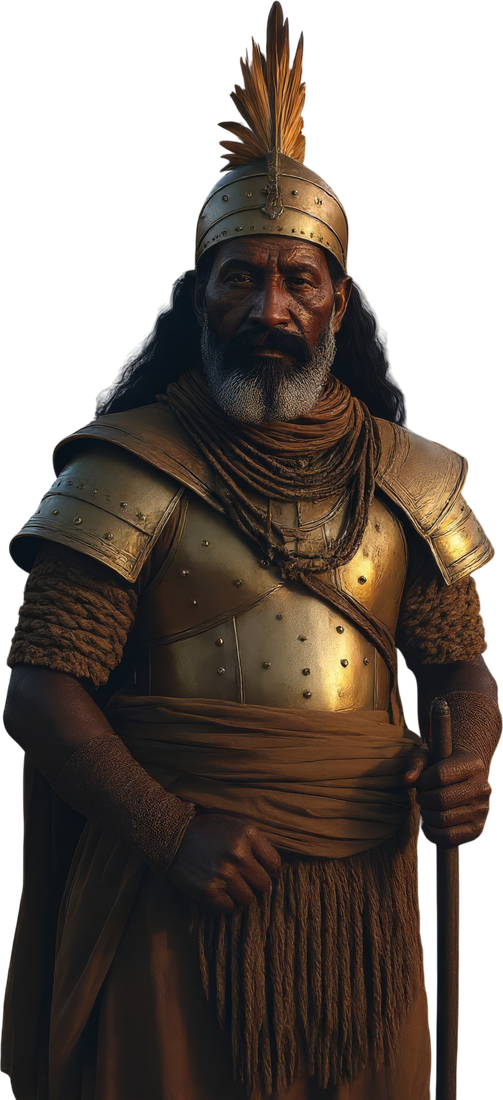
A seasoned commander and elder whose counsel and command help shape the fate of kingdoms as old orders fall and new ones rise.
The Settings
From the ordered brilliance of a Harappan citadel to the long roads of migration and the thunder of chariots beneath a burning sky, the world of the novel is as much a character as any hero. These illustrations trace the saga's great movements — a civilization at its height, knowledge passing between peoples, the exodus that follows, and the whirlpool of fire and water where everything changes. Step into the landscapes of ancient India.

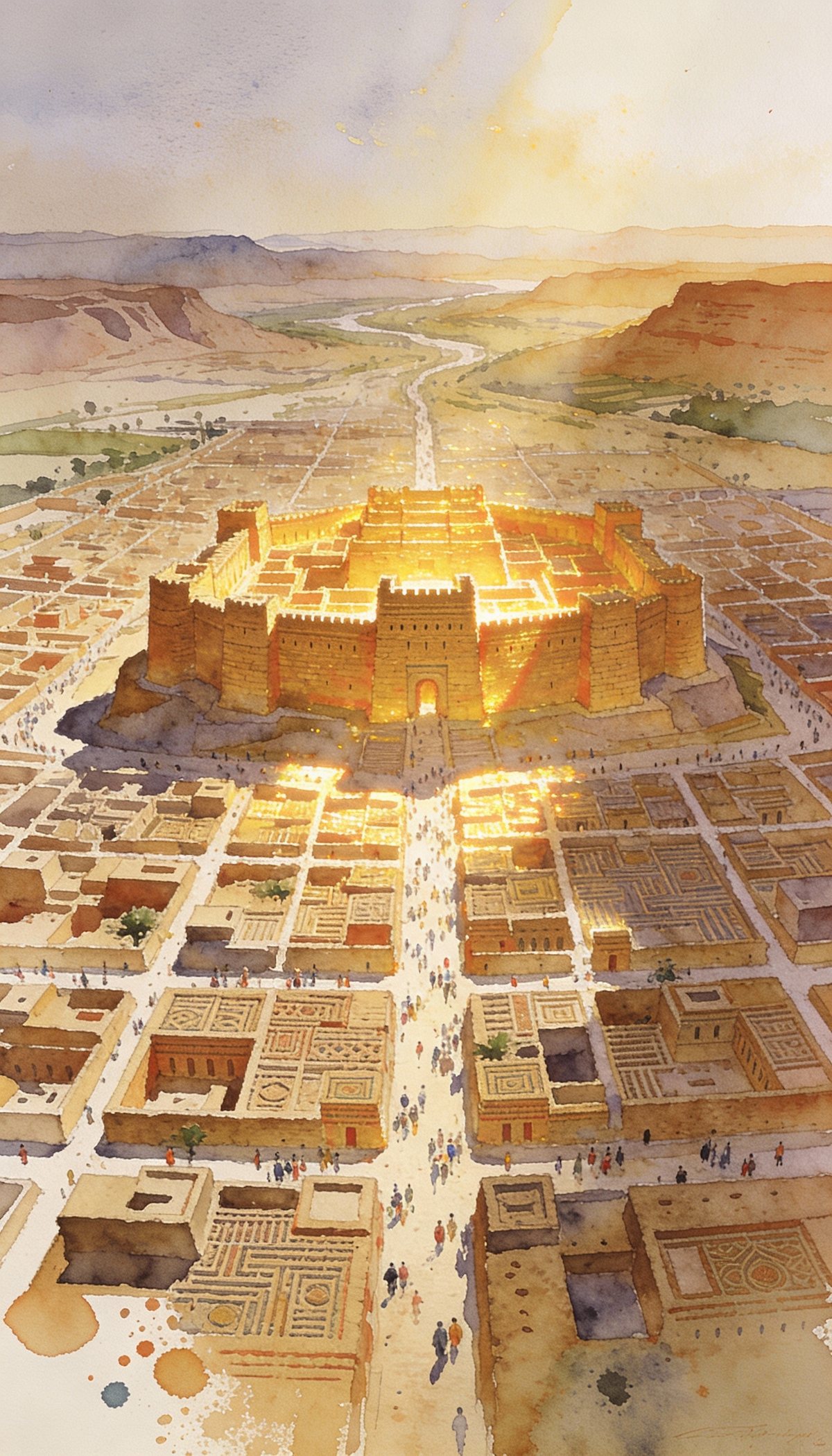
A Harappan citadel at its height — ordered streets, grand ramparts, and a civilization glowing in the last light of its golden age.

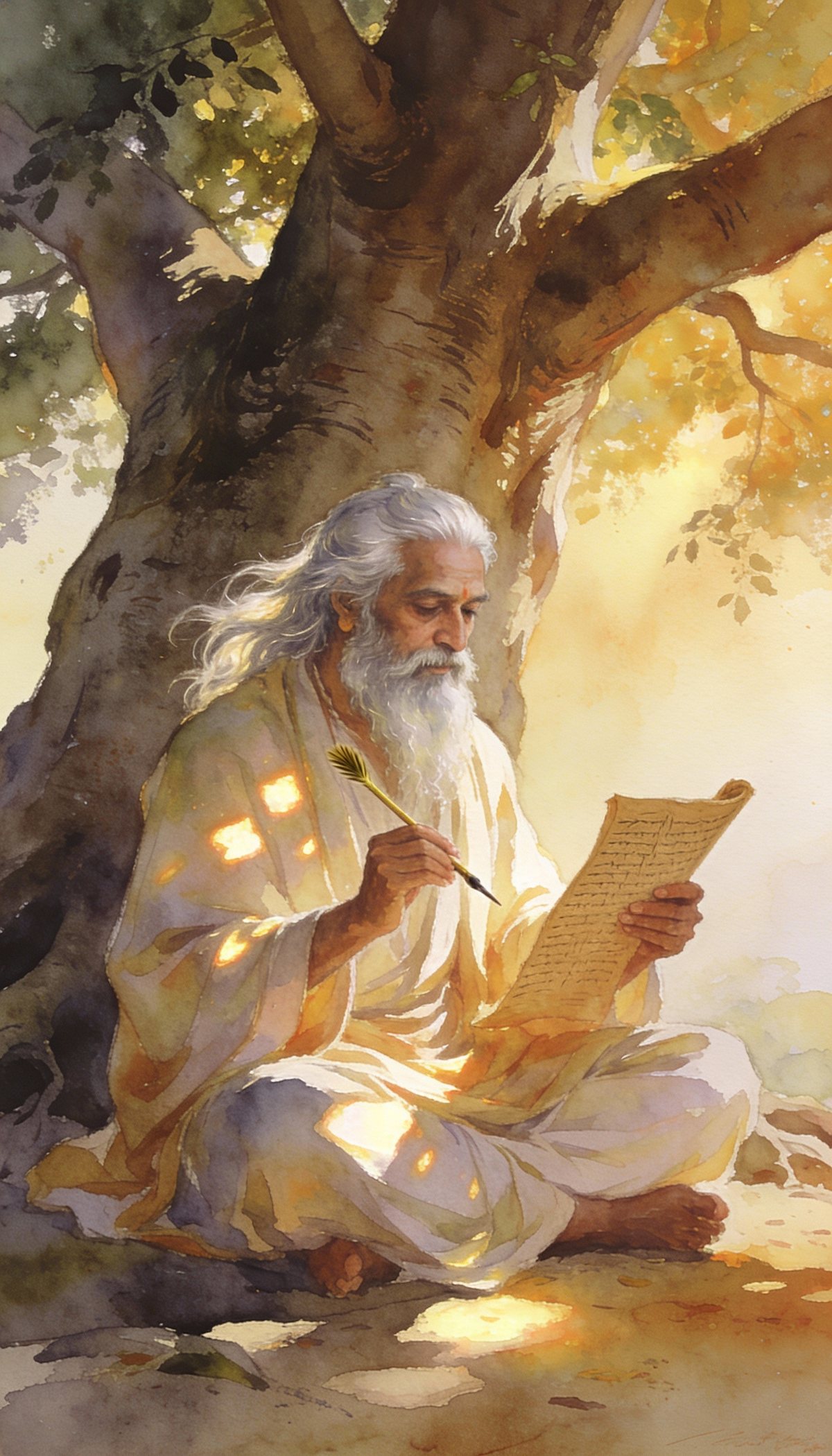
Beneath a great tree, a sage sets down verse and wisdom — the Vedic learning the Aryans carry into the Harappan world.

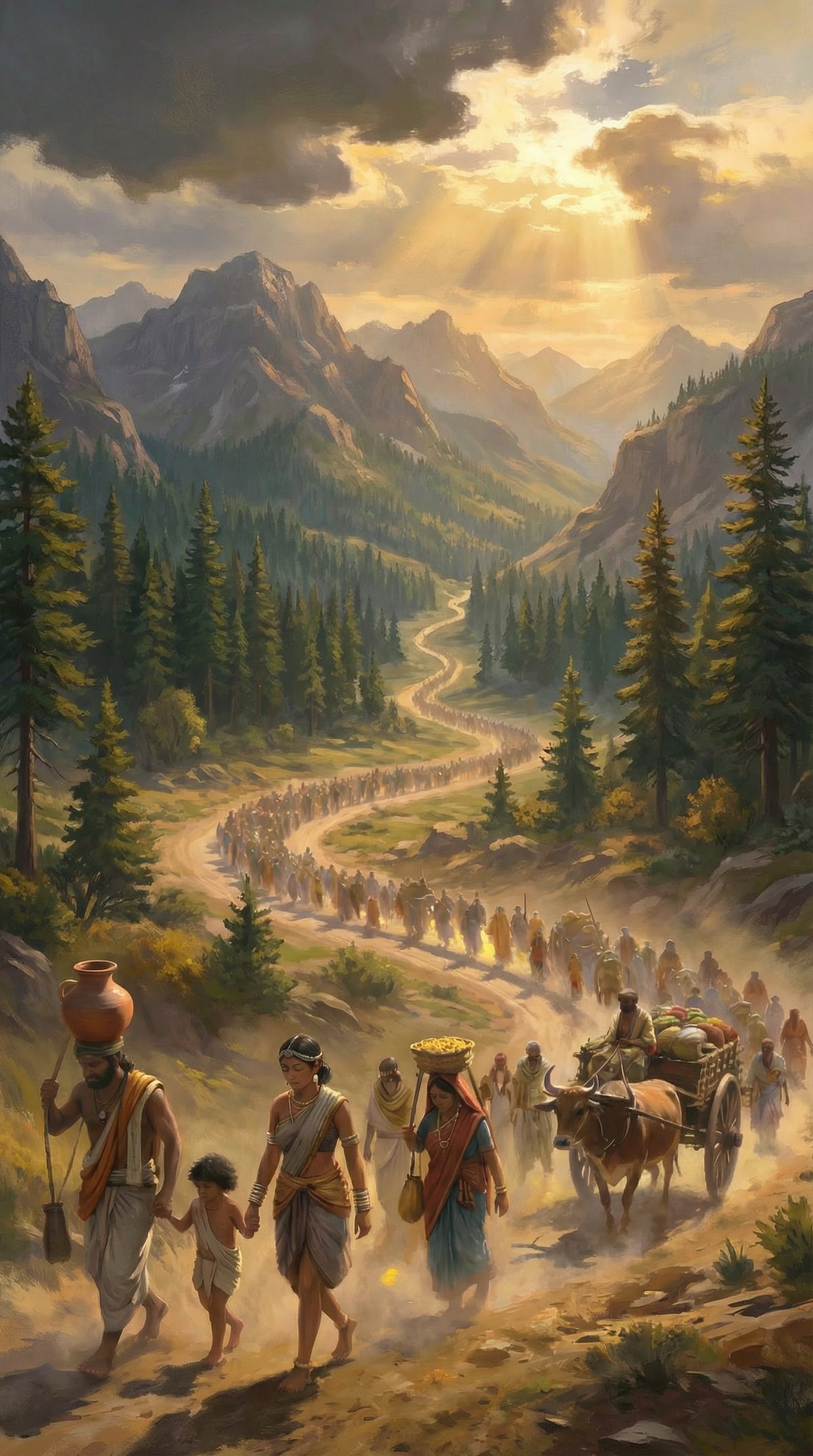
Across mountain passes and river valleys, a people on the move draws two ways of life toward the same fateful horizon.

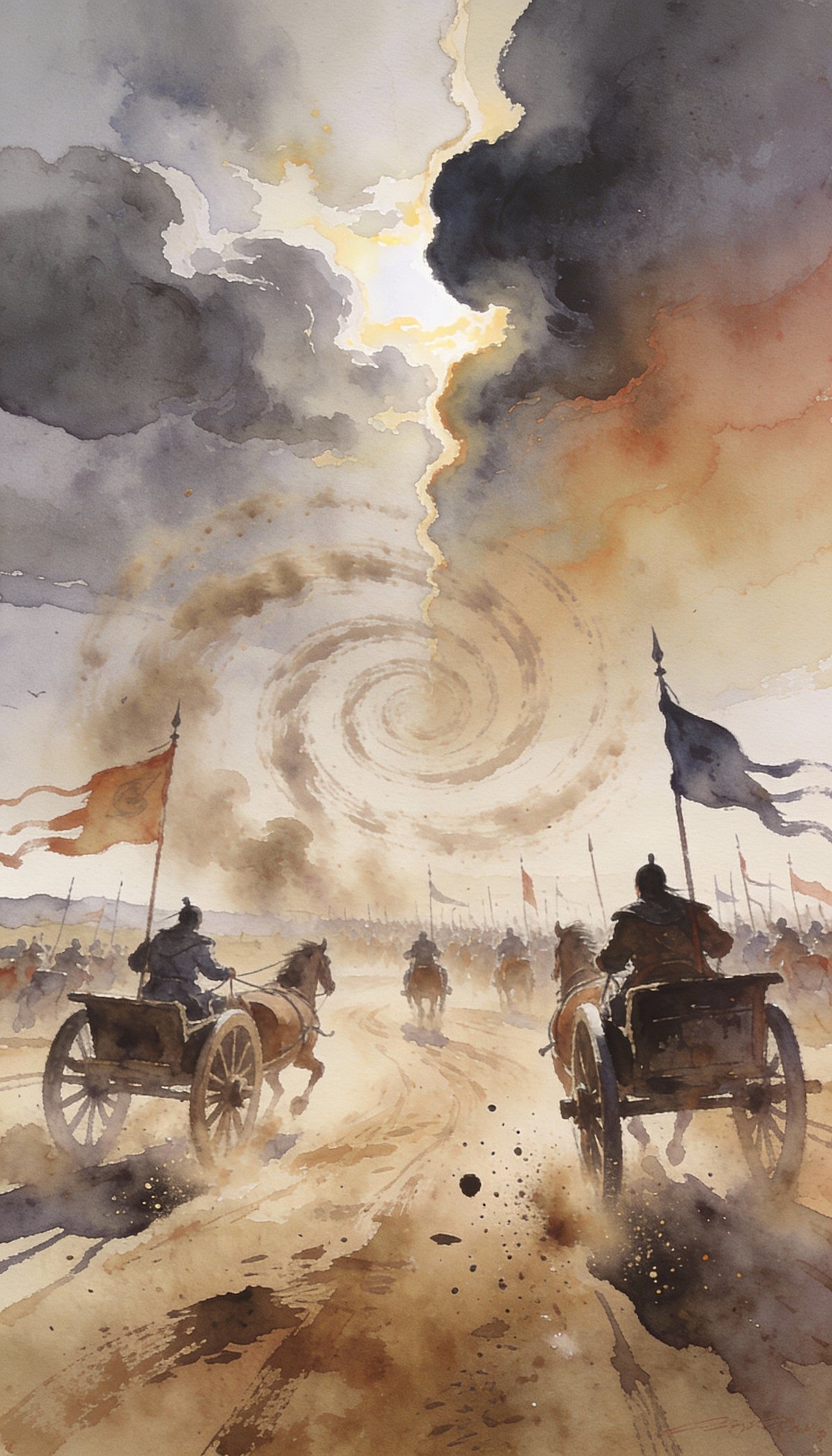
Chariots charge beneath a churning sky — the whirlpool of fire and water where the great battle of cultures is joined.

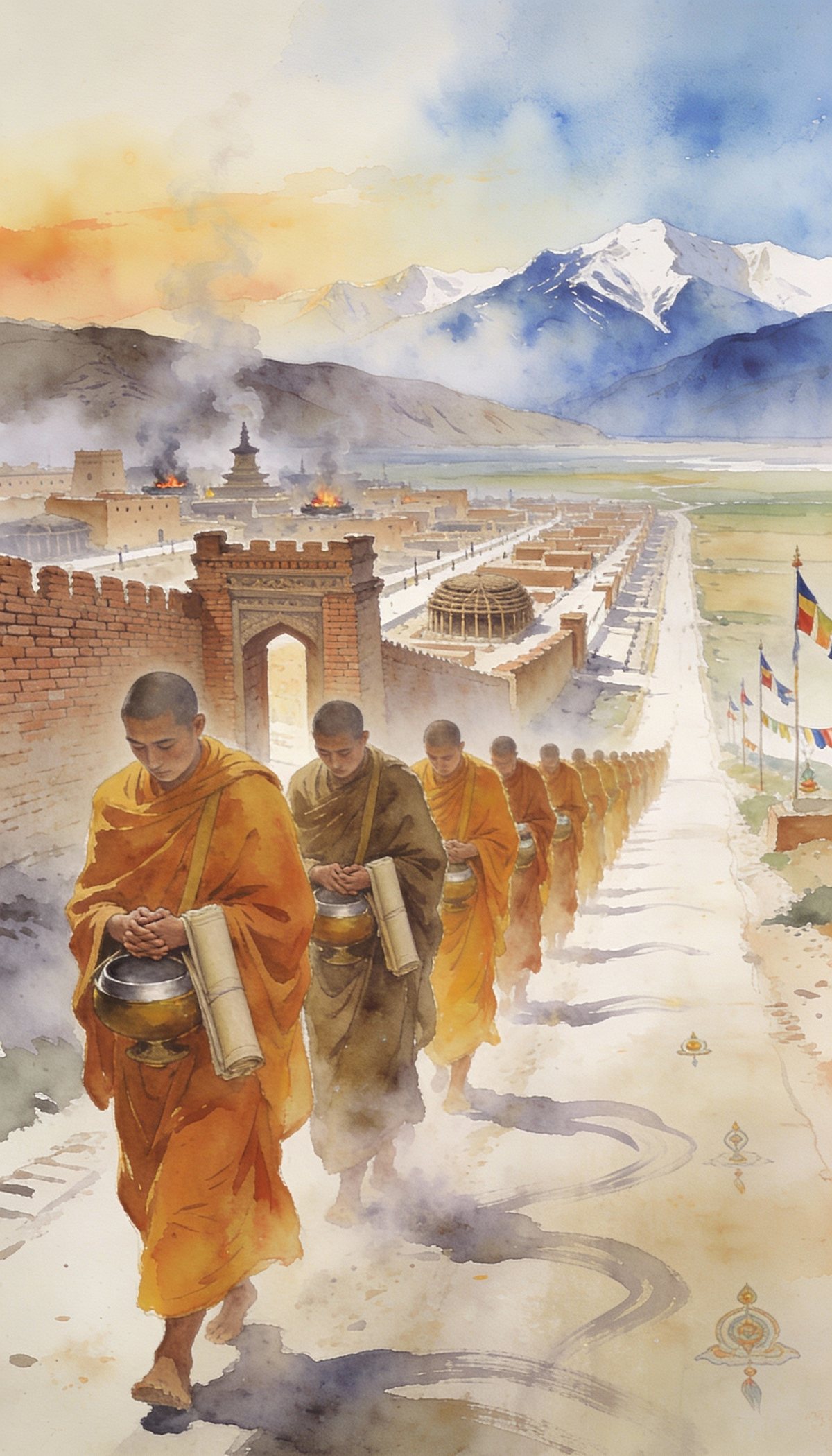
Past a burning fort and toward the snow-capped mountains, a solemn procession marks the passing of one era and the rise of another.

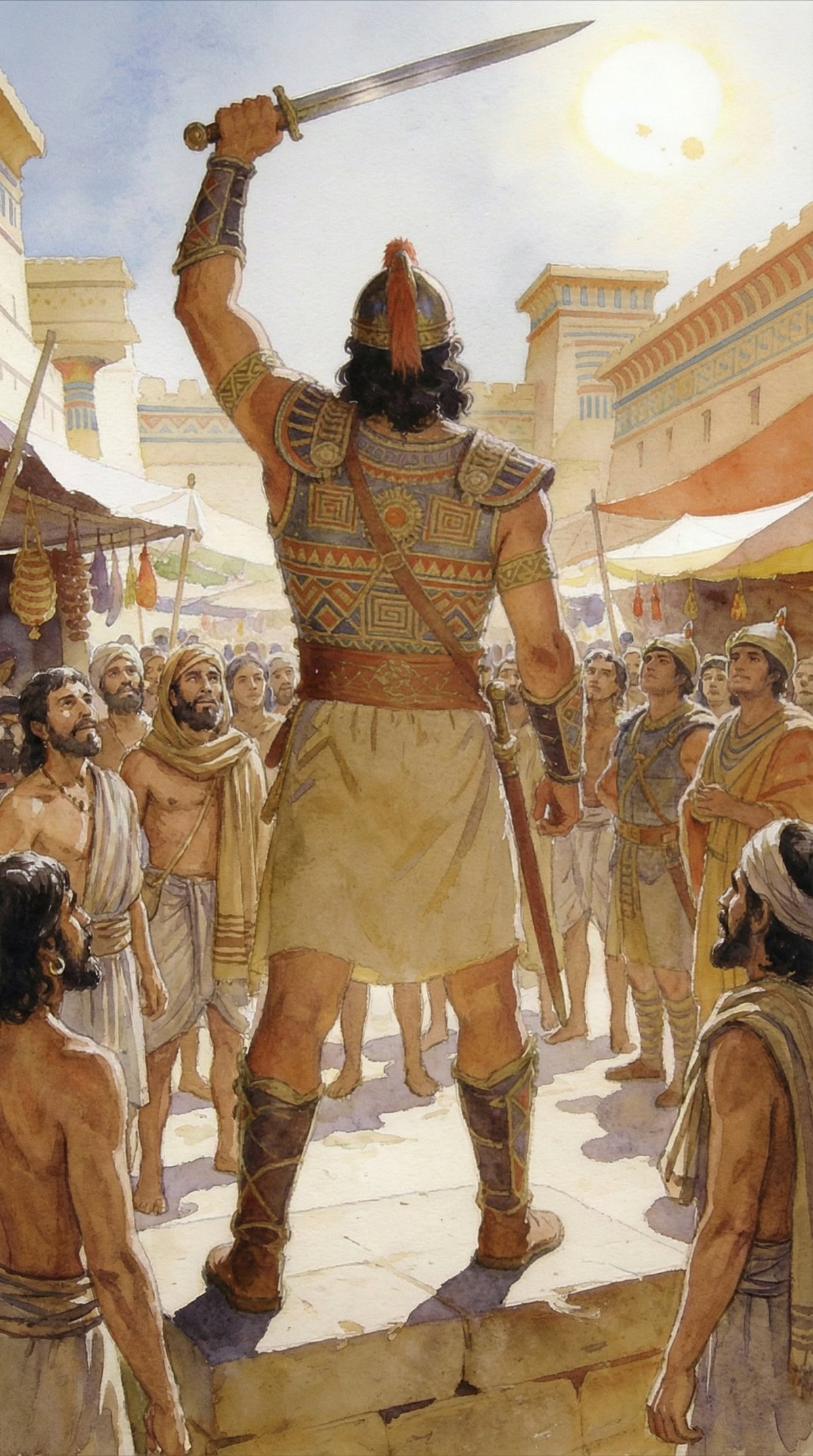
Sword raised beneath the noon sun, a warrior rallies the people in the crowded marketplace — a call that will echo across generations.

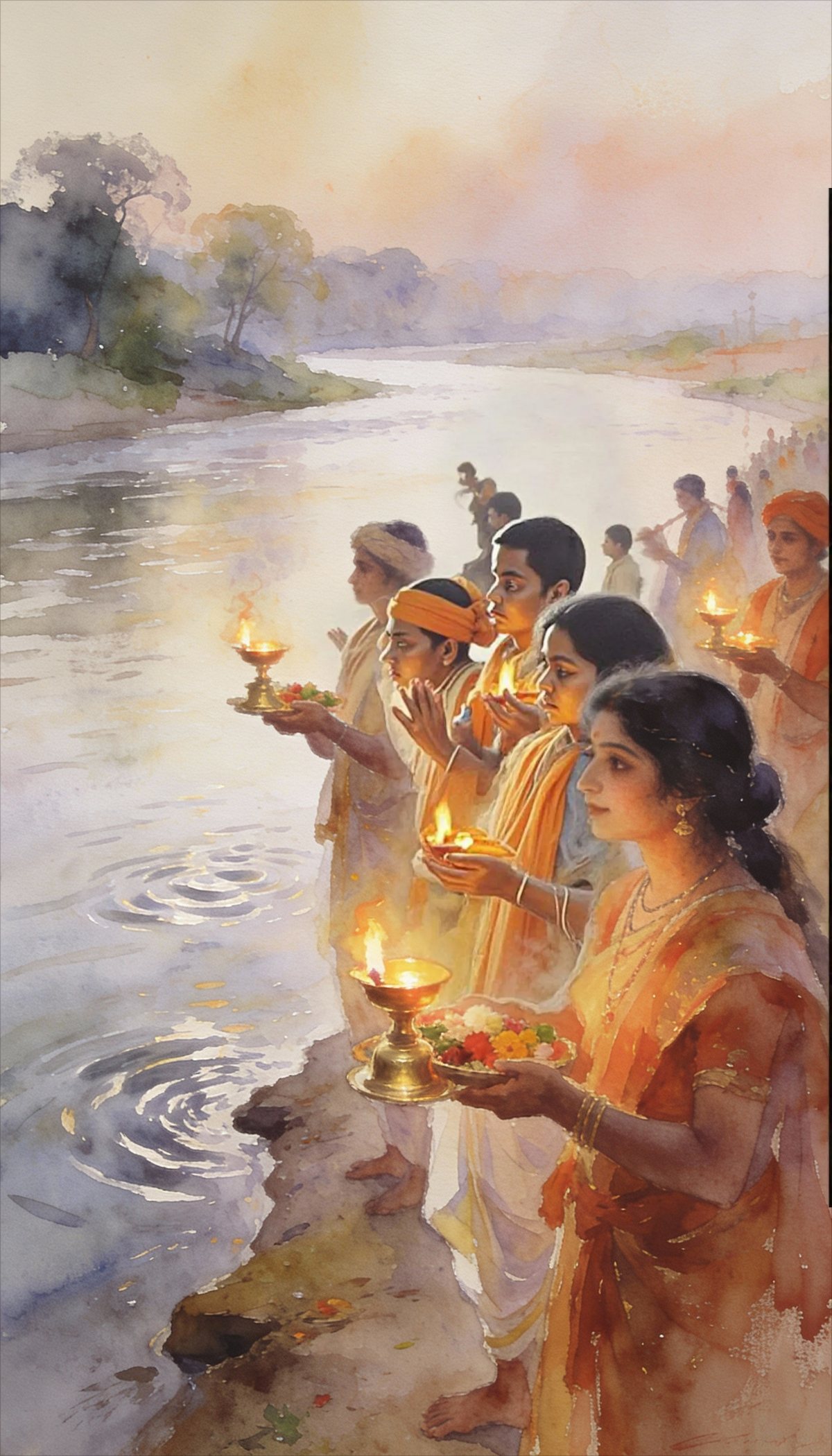
At dusk, lamps and flowers are carried to the water's edge — the Harappan devotion to the sacred feminine and the life-giving rivers.

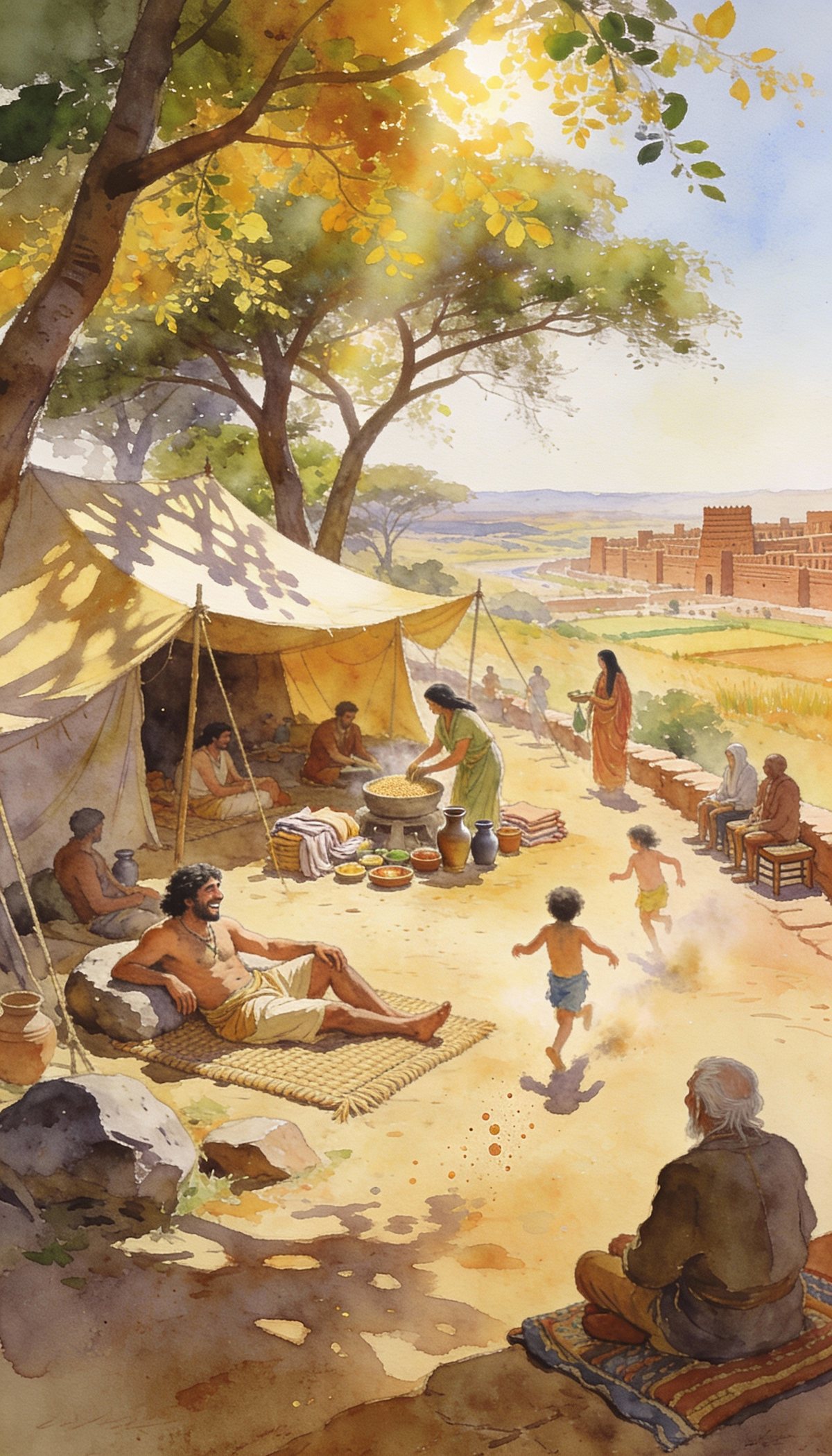
Beneath a shady tree within sight of the citadel, newcomers cook, rest, and play — two ways of life beginning, warily, to share a home.

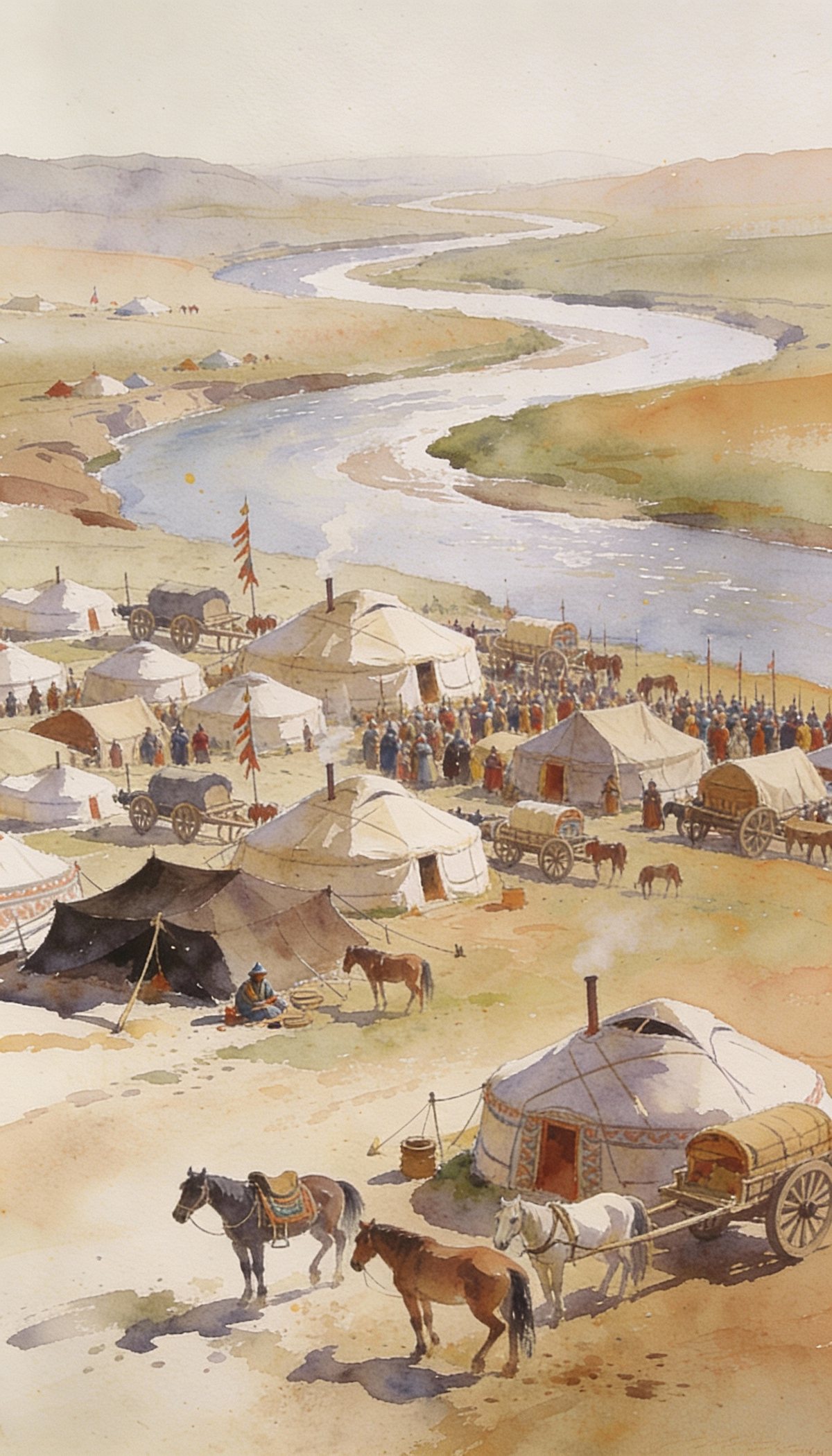
Tents, wagons, and horses gather along a winding river — the restless, mobile world of the Aryans before their fateful descent.

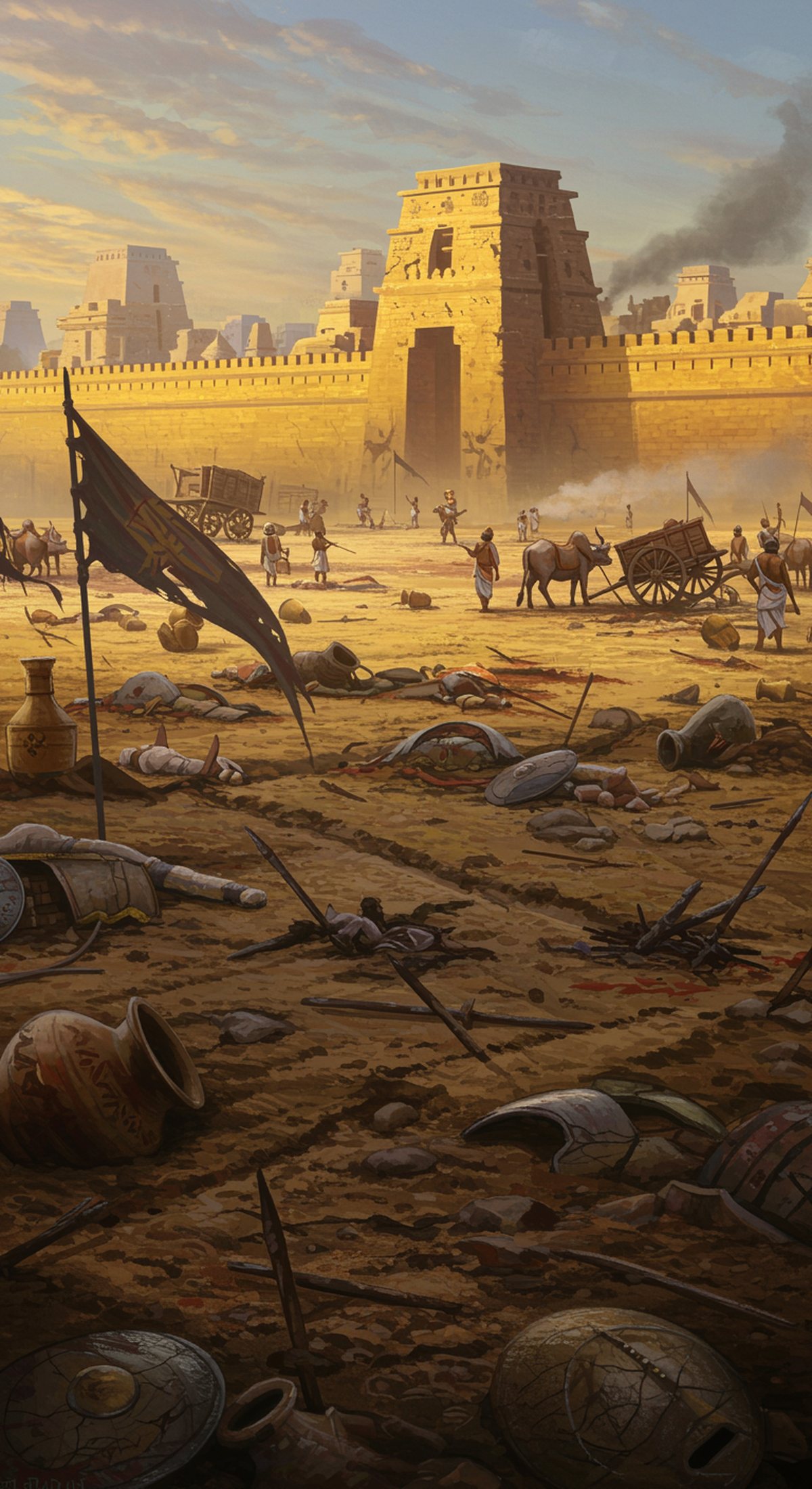
Broken pottery, fallen banners, and drifting smoke before the great gate — the silent cost when two civilizations collide.